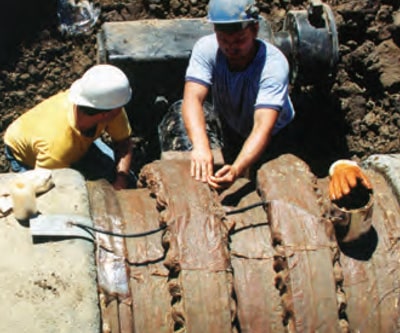
Pipeline Corrosion Prevention: Protection Methods for Industrial Pipes

Pipeline corrosion can lead to leaks, unplanned shutdowns, contamination, safety hazards, and expensive repairs. For facilities that move oil, gas, chemicals, wastewater, water, or process fluids, corrosion prevention is not a one-time fix. It is an ongoing maintenance strategy.
The best way to protect pipelines from corrosion is to combine inspection, surface preparation, protective coatings, cathodic protection where appropriate, fluid control, cleaning, and timely repair. B&W Distributors helps industrial teams source pipeline coatings, repair materials, wraps, sealants, epoxies, and corrosion-control products for demanding applications throughout the Southwest.
Need help choosing pipeline corrosion protection products? Contact B&W Distributors.
How to Prevent Pipeline Corrosion
The most effective way to prevent pipeline corrosion is to combine regular inspection, proper surface preparation, protective coatings, cathodic protection where appropriate, internal cleaning, corrosion inhibitors, and timely repair of damaged coating or exposed metal.
What Causes Pipeline Corrosion?
Pipeline corrosion happens when metal reacts with its environment. The specific cause depends on the pipe material, transported fluid, surrounding conditions, coating condition, and maintenance history.
Common causes include:
- Moisture and oxygen exposure
- Chlorides, acids, carbon dioxide, hydrogen sulfide, or other corrosive contaminants
- Bacteria and microbiologically influenced corrosion
- Sediment, scale, or deposits inside the pipe
- Damaged or aging coatings
- Abrasion from soil movement, vibration, impact, or flow conditions
- Contact between dissimilar metals
- Poor surface preparation before coating or repair
- Exposed welds, seams, joints, or supports
Once corrosion starts, it can spread under coatings, weaken pipe walls, create pitting, and make future repairs more difficult.
Internal vs. External Pipeline Corrosion
Internal Pipeline Corrosion
Internal corrosion develops inside the pipe. It is often caused by the fluid being transported, trapped water, dissolved gases, bacteria, chlorides, or solids that settle along the pipe wall.
This type of corrosion can be difficult to detect without inspection, sampling, pigging, or monitoring. Prevention may include fluid treatment, filtration, water removal, corrosion inhibitors, internal linings, and routine cleaning.
External Pipeline Corrosion
External corrosion occurs on the outside of the pipe. It is common in buried, submerged, outdoor, or chemically exposed environments.
Common external corrosion risks include moisture, soil conditions, coating damage, UV exposure, abrasion, vibration, and poor field-joint protection. External corrosion protection often relies on coatings, wraps, tapes, sealants, cathodic protection, and regular inspection.
Pipeline Corrosion Prevention Methods
1. Inspect the Pipeline Before Choosing a Product
A corrosion prevention plan should begin with inspection. Before applying coatings or repair materials, check the condition of the pipe and the surrounding environment.
Look for rust, pitting, cracks, damaged coating, loose material, moisture, salt contamination, worn supports, exposed welds, and areas where vibration or abrasion may be occurring.
A product that works well in one environment may fail early in another. The more you know about the pipe’s condition, the easier it is to choose the right corrosion protection method.
2. Use Protective Pipeline Coatings
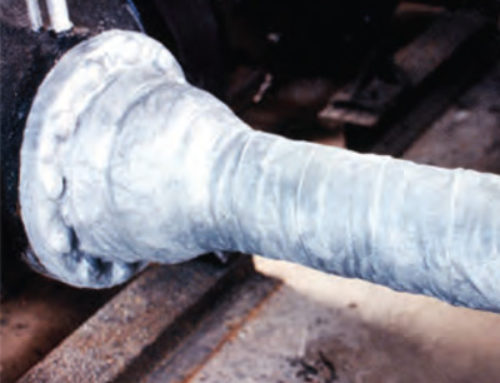
Protective coatings create a barrier between the pipe and corrosive elements. They are one of the most common methods of pipeline corrosion protection.
Depending on the application, options may include fusion-bonded epoxy, liquid epoxy coatings, polyurethane systems, high-performance linings, tapes, wraps, and field repair coatings.
When choosing a coating, consider:
- Above-ground, buried, or submerged exposure
- Chemical resistance
- Temperature range
- Abrasion resistance
- UV exposure
- Cure time
- Surface preparation requirements
- Compatibility with cathodic protection
- Repair and field-joint needs
For related product options, see B&W’s Pipeline Coatings & Repair and Industrial & Engineering Grade Epoxies.
3. Protect Field Joints, Welds, and Coating Holidays
Corrosion often starts where protection is weakest. Field joints, welds, seams, bends, supports, and damaged coating areas need special attention.
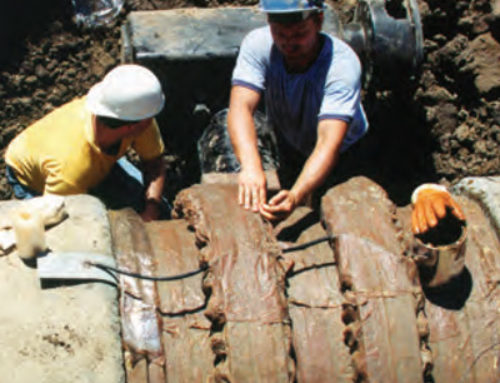
Use compatible joint coatings, wraps, tapes, sealants, or epoxy repair compounds to protect these vulnerable areas. A small coating holiday or exposed weld can become the starting point for larger corrosion problems.
4. Use Cathodic Protection When Appropriate
Cathodic protection is commonly used to control external corrosion on buried or submerged metallic pipelines. It works by reducing the electrochemical activity that causes corrosion on the pipe surface.
For many buried pipeline systems, cathodic protection and coatings work together. The coating limits exposure, while cathodic protection helps protect exposed areas where coating damage exists.
Cathodic protection systems should be designed, monitored, and maintained by qualified professionals. Soil conditions, coating condition, current levels, and nearby structures can all affect performance.
Useful reference: AMPP cathodic protection overview.
5. Control Corrosive Contaminants Inside the Pipe
Internal corrosion can accelerate when corrosive contaminants remain in the flow stream. Depending on the system, corrosion control may involve removing water, reducing oxygen, filtering solids, treating bacteria, or using corrosion inhibitors.
Maintenance teams should monitor pH, chlorides, dissolved oxygen, hydrogen sulfide, carbon dioxide, suspended solids, sediment, and microbial activity where relevant.
6. Clean Out Sediment and Deposits
Sediment, sludge, and scale can trap corrosive materials against the pipe wall. They can also create areas where bacteria grow or where corrosion becomes concentrated.
Routine cleaning, flushing, or pigging can help reduce internal corrosion risk, especially in pipelines that carry water, wastewater, process fluids, or products with solids.
7. Reduce Abrasion, Vibration, and Mechanical Wear
Physical damage can break down coatings and expose the pipe surface. Vibration, impact, rubbing at supports, soil movement, and thermal expansion can all create weak points.
Inspect pipe supports, bends, high-traffic areas, pump areas, exposed sections, and buried lines in unstable soil. Where needed, use protective wraps, abrasion-resistant coatings, padding, guards, or support improvements.
8. Prevent Galvanic Corrosion
Galvanic corrosion can happen when dissimilar metals are connected in the presence of an electrolyte such as moisture, soil, or process fluid.
To reduce the risk, use compatible materials, isolate dissimilar metals, install proper gaskets or dielectric fittings, and inspect transition points during repairs or system modifications.
9. Use Corrosion Inhibitors Where They Fit
Corrosion inhibitors can help slow internal corrosion in certain systems, especially where coatings or linings are not practical. These may include liquid inhibitors, vapor corrosion inhibitors, or other specialty products depending on the application.
Inhibitors should be selected based on the transported fluid, pipe material, operating conditions, and corrosion threat.
10. Repair Localized Damage Early
Small corrosion problems should be addressed before they become larger integrity issues. Depending on the damage, repairs may involve epoxy compounds, sealants, wraps, tapes, protective coatings, or leak repair materials.
B&W Distributors can help source products for Leak Repair Solutions, pipeline coatings, sealants, and industrial repair applications.
How to Choose the Right Pipeline Corrosion Protection Method
There is no single best corrosion protection method for every pipeline. The right solution depends on the pipe, environment, transported product, and maintenance goal.
Before selecting a product, gather:
- Pipe material and diameter
- Operating temperature
- Fluid or chemical exposure
- Above-ground, buried, or submerged conditions
- Existing coating type
- Surface preparation limits
- Abrasion or vibration concerns
- Cure time requirements
- Whether the repair is temporary or long-term
If you are unsure which coating, wrap, tape, inhibitor, or repair compound is right for the job, B&W can help review the application and connect you with suitable product options.
Get Pipeline Corrosion Protection Products and Support
Pipeline corrosion prevention works best when the right products are matched to the right conditions. Whether you need coatings, wraps, sealants, epoxies, leak repair materials, or corrosion-control products, B&W Distributors can help you find practical options for your facility.
Contact B&W Distributors today to discuss pipeline corrosion protection products or request a quote.
Additional Resources

B&W DISTRIBUTORS INC.
Tel: (480) 924-8883
Email: [email protected]
Web: https://www.bwdist.com/
ARIZONA
2702 N Ogden #107
Mesa, AZ 85215